
 Telegram Group:


About the Conference
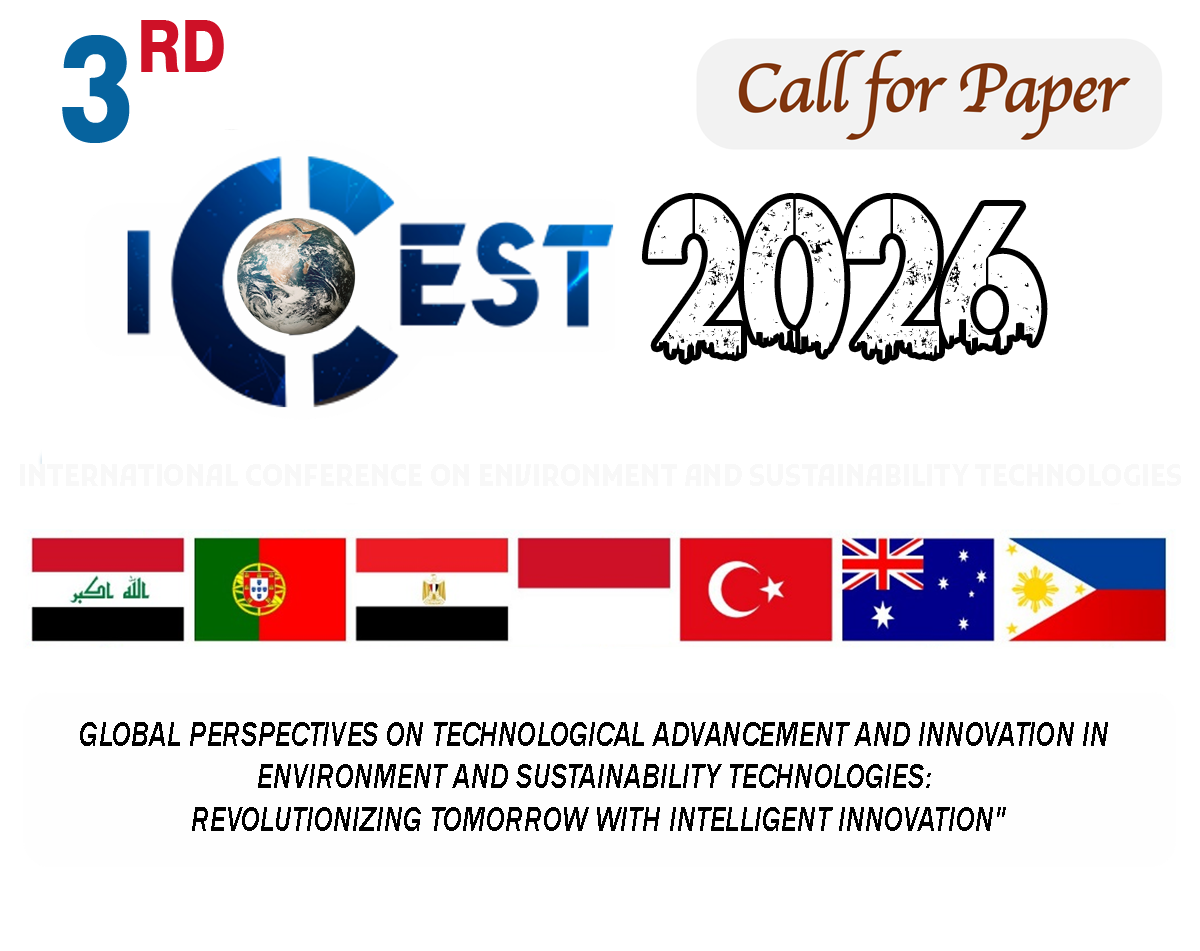
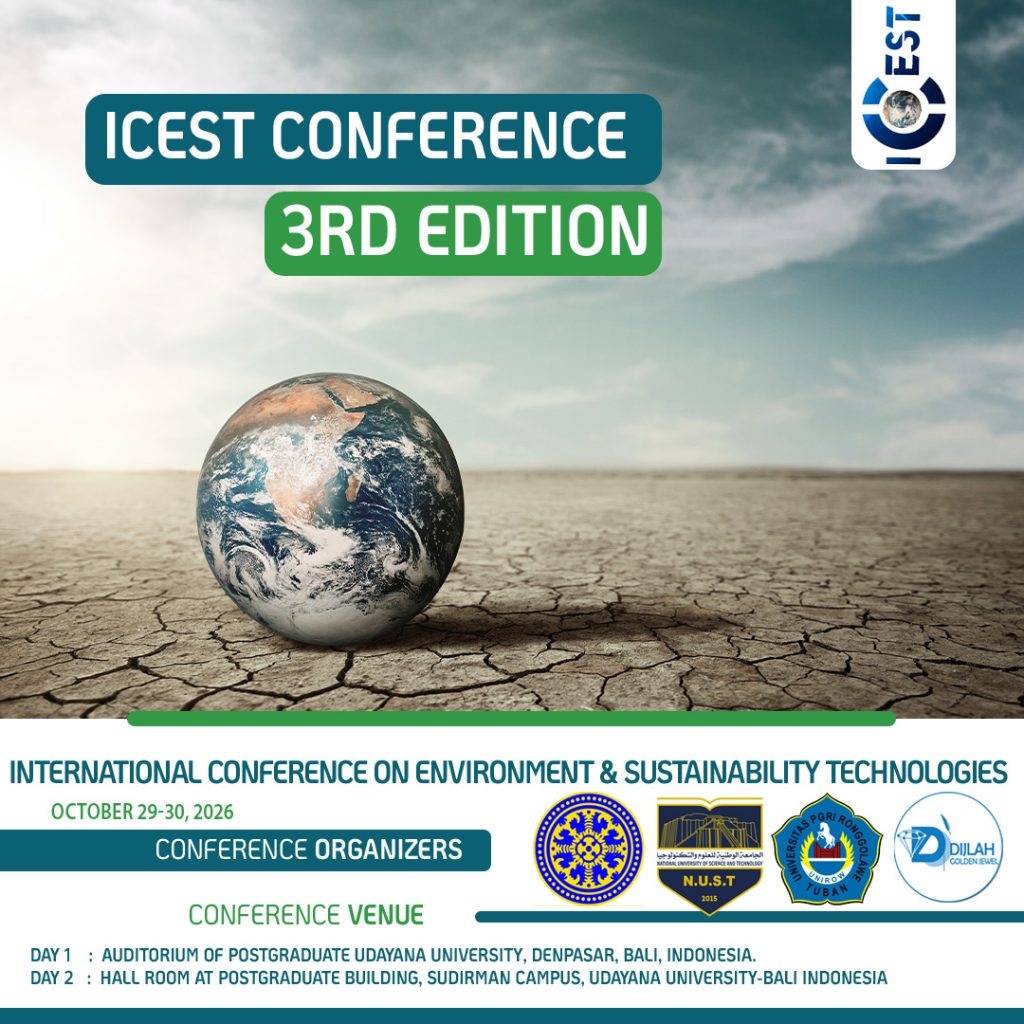
3rd International Conference on Environment and Sustainability Technologies
“🌍 Global Innovations in Environment and Sustainability Technologies: Leading the charge towards a sustainable future through cutting-edge solutions and international collaboration“
Background:
Conference Aims and Goals:
“The aim of this conference is to explores the latest advancements and innovations in on Environment and Sustainability Technologies. The aim and goal of the International Conference on Environment and Sustainability Technologies is to bring together researchers, practitioners, and policymakers from around the world to share their latest findings and innovations in environmental science and sustainable technologies. The conference seeks to foster interdisciplinary collaboration and knowledge exchange to address pressing environmental challenges. By exploring cutting-edge technologies and sustainable practices, the conference aims to promote the development and implementation of solutions that can lead to a more sustainable and resilient future. Attendees will have opportunity to engage in meaningful discussions, network with industry leaders, and contribute to shaping the future of environmental sustainability.”

Important Dates :

Full Paper Start: 20 May 2026
Submission Due: 20 August 2026
Acceptance Notification: 1 September 2026
Camera Ready Due: 15 September 2026
Payment Due: 20 September 2026
Session Registrations: 10- October 2026
Start
29
October
2026

Conference Date: 29-30 October 2026
Conference Venue:
Udayana University, Denpasar, Bali, Indonesia
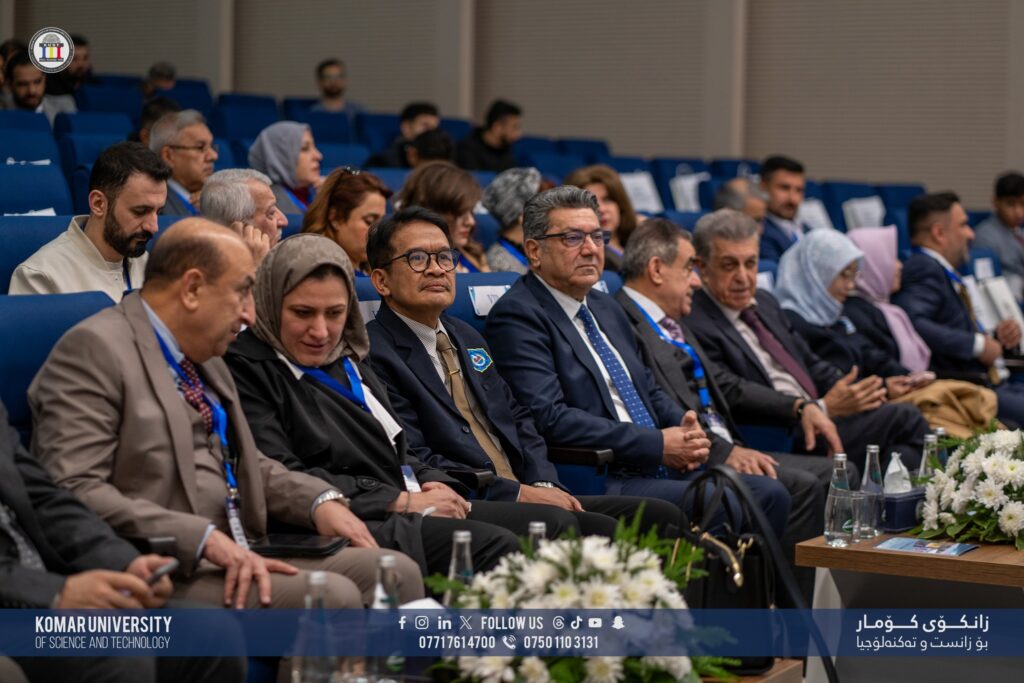
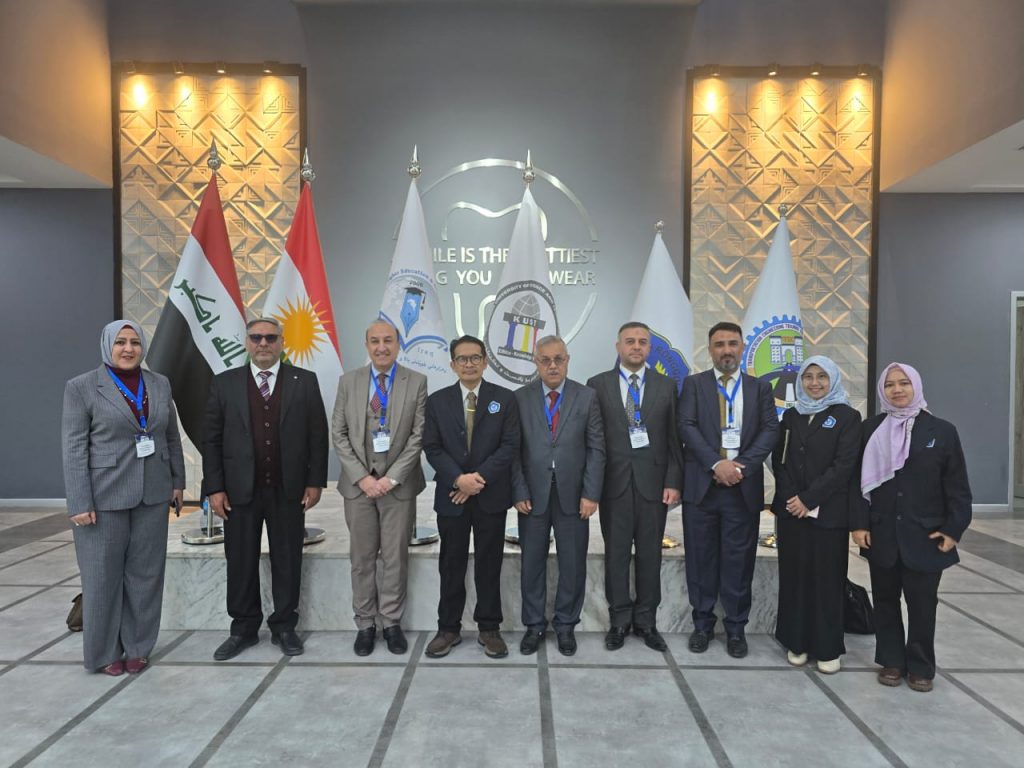
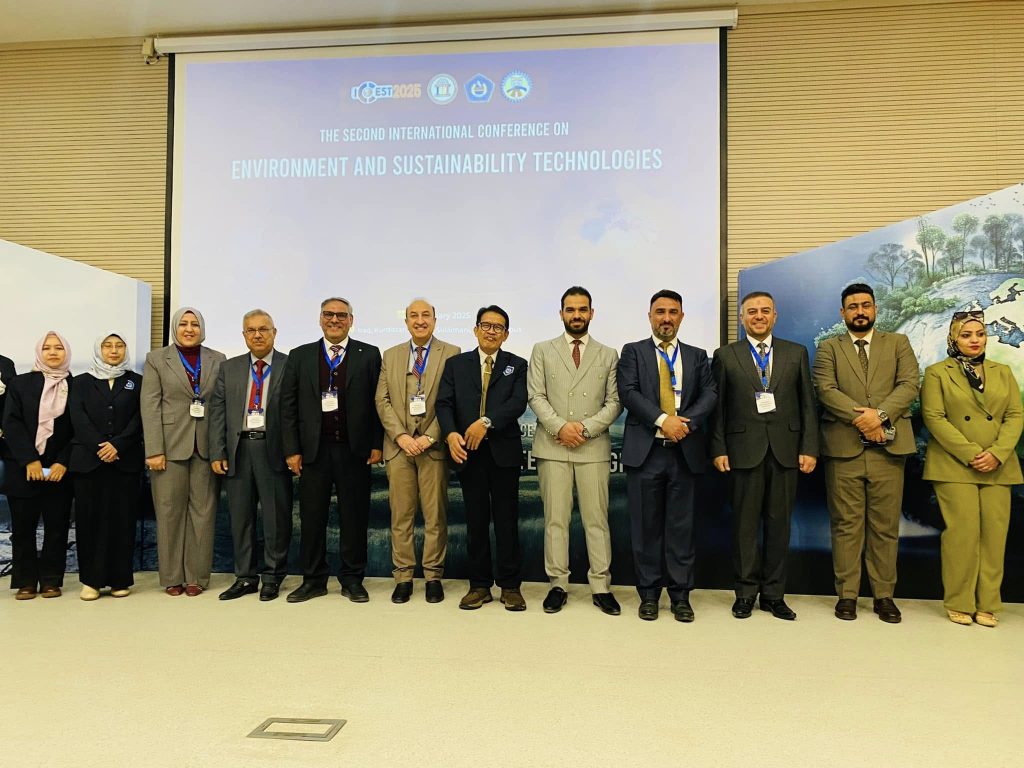
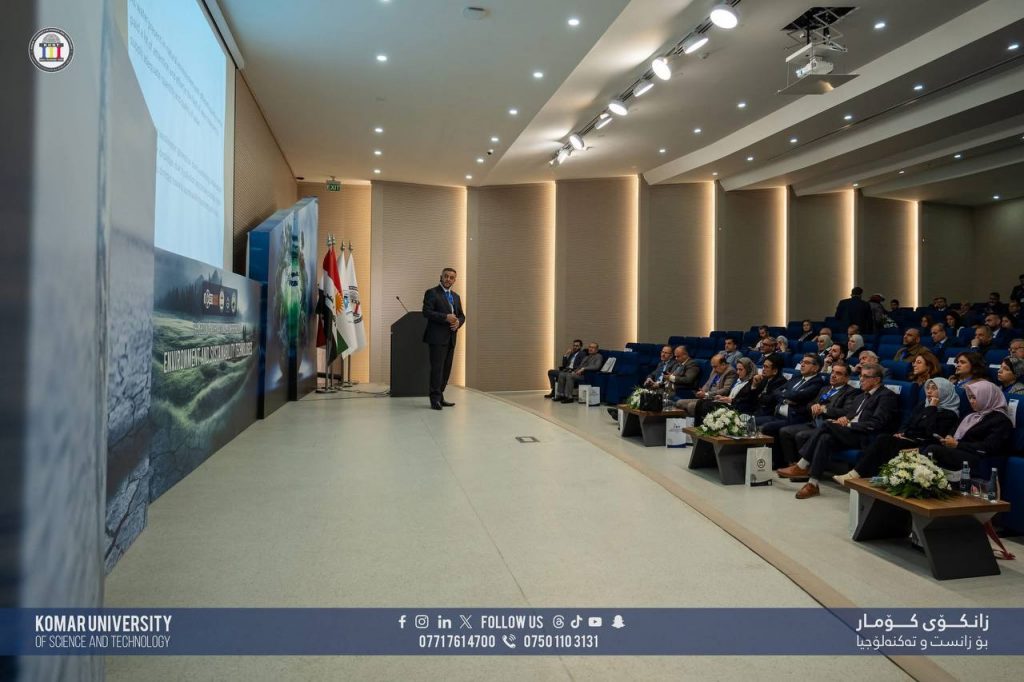
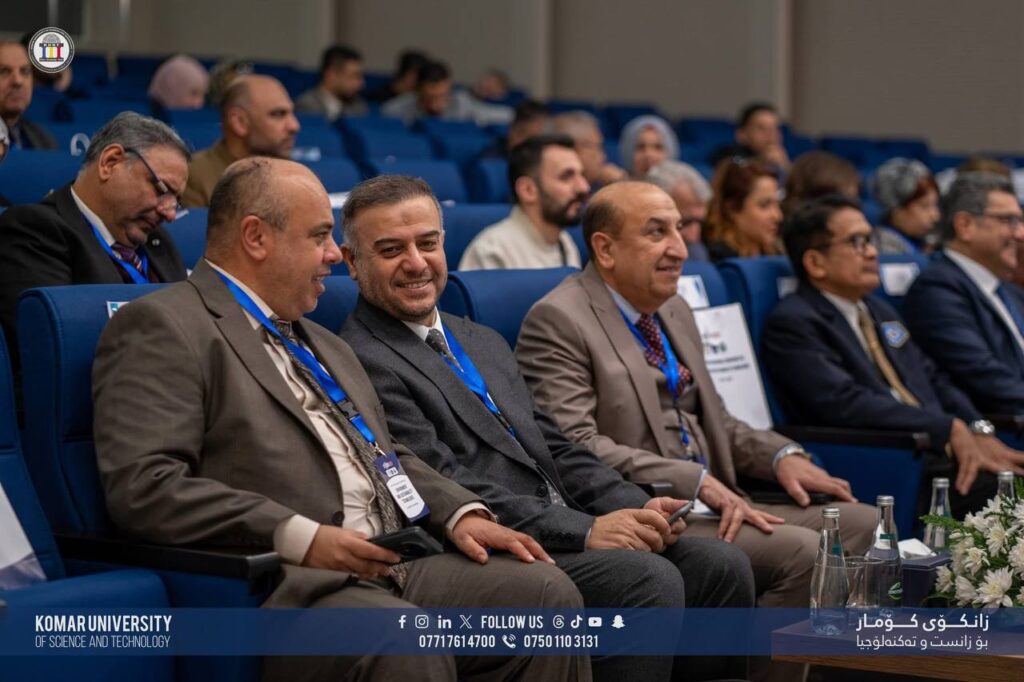
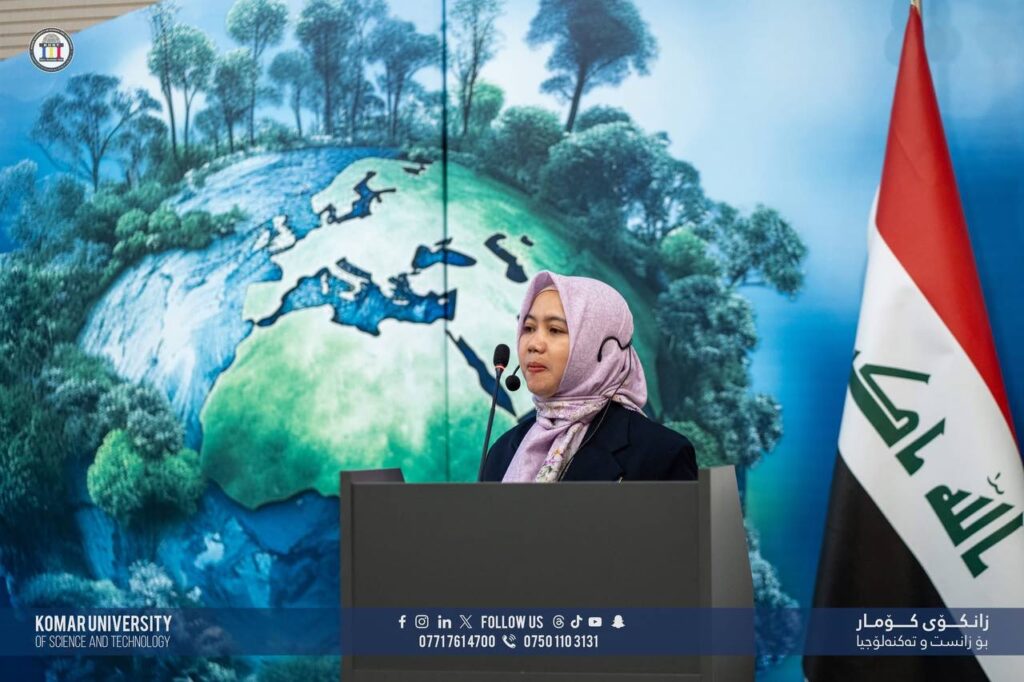
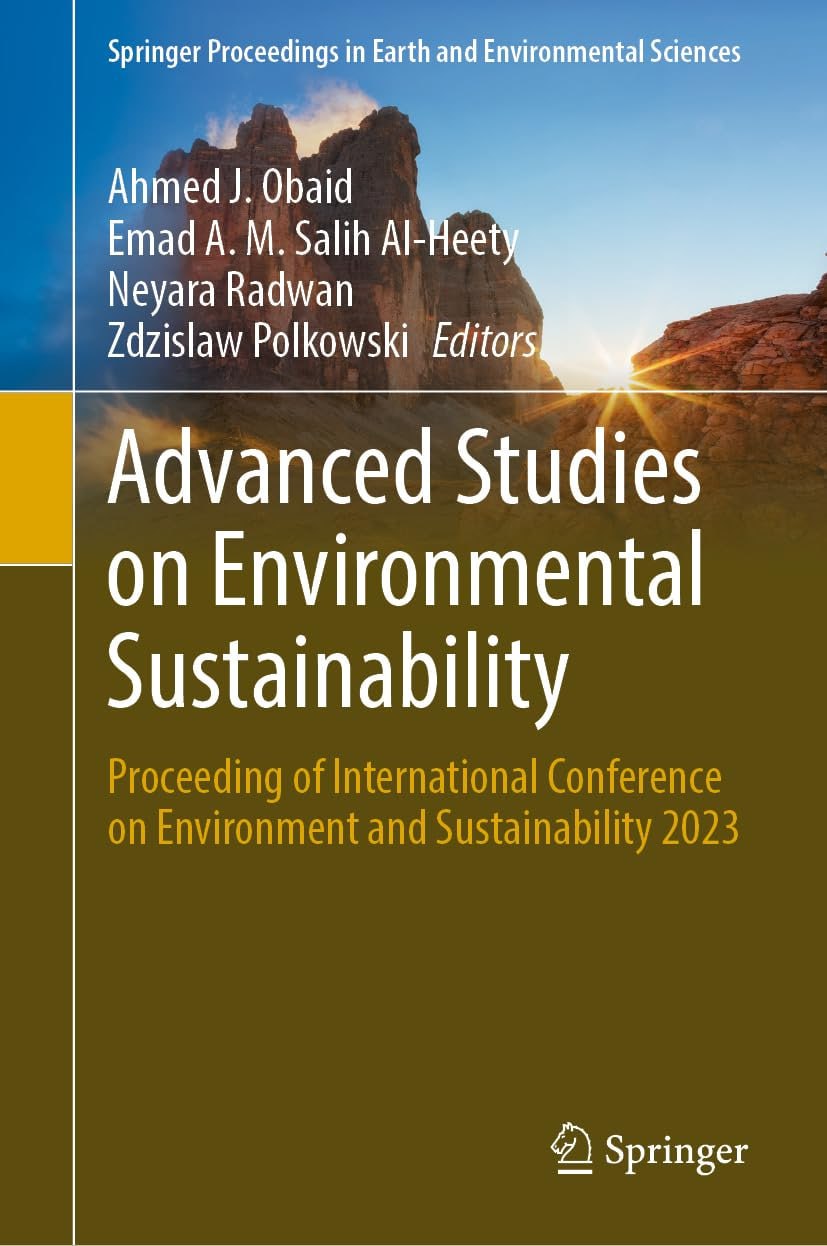
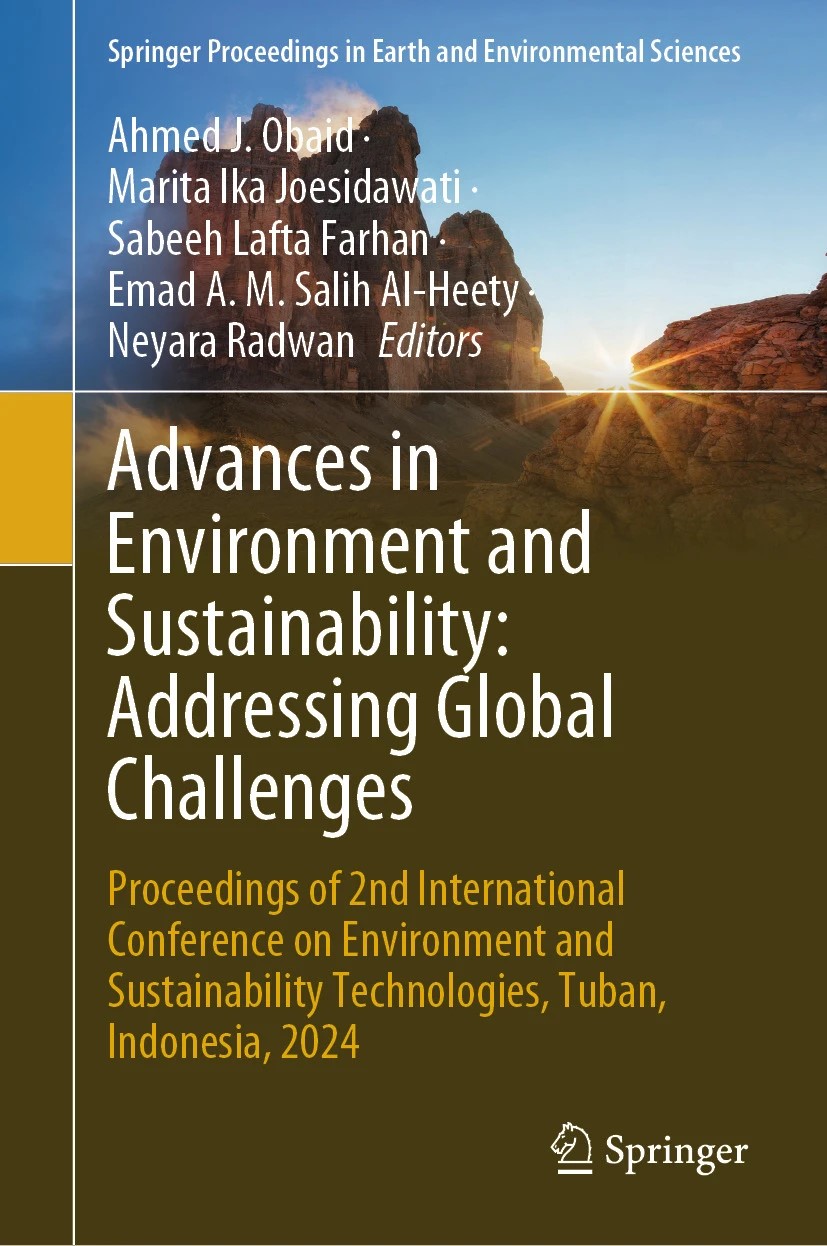
Latest Edition Gallery



Conference Organizers

Udayana University, Bali, Indonesia

State Islamic Institute (IAIN), Indonesia

Universitas Al Asyariah, Indonesia

NUST University, Nasiriyah, Dhi Qar, Iraq

UNIROW University, Tuban, Indonesia

FORPIMPAS BKS PTN Indonesia
About Conference Co-Organizers

About Postgraduate Udayana University, Bali, Indonesia
Universitas Udayana was initially established with three faculties: Arts, Medicine, and Veterinary Medicine and Animal Husbandry. By 2024, it has expanded to 13 faculties covering cultural studies, medicine, law, engineering, economics, agriculture, sciences, tourism, marine and fisheries, and social sciences. To meet growing demands for qualified human resources, especially educators, the Graduate School was established in 1992. It began with the Master’s Program in Linguistics, authorized by the Ministry of Education and Culture. This program became the foundation of the Graduate School and was initially led by Prof. Dr. I Wayan Bawa. Subsequently, the Doctoral Program in Linguistics was launched in 1998 as the university’s first doctoral program. Currently, Universitas Udayana offers 28 Master’s programs, 14 Doctoral programs, nine professional programs, and 22 medical specialist programs. Doctoral education focuses on producing independent scholars and researchers, while Master’s education aims to develop advanced intellectual and professional competencies. Mono-disciplinary graduate programs are administratively managed within their respective faculties.

FORPIMPAS BKS PTN Indonesia
FORPIMPAS BKS PTN Indonesia (The Post Graduate Leadership Forum of the Council of Higher Education State Universities) serves as a premier collaborative network uniting the leadership of state postgraduate institutions across Indonesia. In collaboration with this international conference, FORPIMPAS plays a pivotal role in driving academic synergy, fostering internationalization, and elevating regional research capabilities. The forum is dedicated to benchmarking quality assurance, advancing curriculum innovations, and expanding global scholarly networks to meet the modern demands of higher education.
NUST University, Nasiriyah, Dhi Qar
The NUST University, National University of Science and Technology, which was established in 2015 in Dhi Qar Governorate, located in southern Iraq, is the cradle of Sumerian civilization. The university has set its sights on building the student’s personality, providing him with knowledge and skills, and promoting the spirit of research, creativity, and noble human values, all through refining the student’s personality because it is an effective and influential element in a fast and constantly renewed world. The university is keen to communicate with the sober Iraqi, Arab, and international universities in all scientific axes in pursuit of excellence and access,s and reach the ranks of those universities.
The university is keen to achieve educational outcomes with the needs of the labor market, which demands a high degree of distinction and creativity linked to the student’s desire for education to take its role in developing and adhering to international quality standards and keeping pace with the industrial, medical and cognitive revolution and the requirements of artificial intelligence to graduate creative students familiar with modern technologies.
.
State Islamic Institute (IAIN) of Curup, Bengkulu, Indonesia
State Islamic Institute (IAIN) of Curup is a public Islamic higher education institution located in Curup Utara, Rejang Lebong Regency, Bengkulu, Indonesia. The institute plays an important role in providing higher education based on Islamic values and national principles. IAIN Curup is committed to integrating Islamic studies with science, technology, and social sciences. It aims to produce graduates who are intellectually capable, morally grounded, and socially responsible. The institute emphasizes quality teaching, research, and community service. IAIN Curup supports the development of Islamic scholarship relevant to contemporary societal needs. It offers various academic programs in Islamic studies, education, and related disciplines. The institution promotes research activities that contribute to regional and national development. Community engagement is a core mission through education, outreach, and social empowerment. Overall, IAIN Curup serves as a center for Islamic learning and academic excellence in Bengkulu Province.
Universitas PGRI Ronggolawe (UNIROW), Tuban, Indonesia
Universitas PGRI Ronggolawe (UNIROW) is a private university located in Tuban, East Java, Indonesia. The university is committed to educating the nation’s future generation by producing high-quality graduates. Its mission focuses on delivering professional education aligned with advances in science, technology, and PGRI values. UNIROW also conducts research and community service in a professional manner based on scientific and technological development. The university actively builds mutually beneficial cooperation with various institutions. UNIROW offers 16 undergraduate study programs across education, social sciences, marine sciences, engineering, and natural sciences. In 2020, it launched two postgraduate programs: the Master of Biology Education and the Master of Basic Education. The campus is known as a green campus located in the center of the city. It is supported by complete facilities, including libraries, laboratories, sports facilities, and worship areas. Numerous student activity units are available to foster students’ talents and interests.
Conference Partners










Conference Topics and Tracks
THEME:
Global Perspectives on Technological Advancement and Innovation in Environment and Sustainability Technologies: Revolutionizing Tomorrow with Intelligent Innovation”
Environmental Pollution
Climate Changes
Biodiversity and Ecosystems
Renewable Energy and Resources
Environmental Sustainability and Development
Environmental Biotechnology and Biochemistry
CONFERENCE TRACKS
Atmospheric Sciences
Biodiversity, Ecology, and Ecosystems
Biofuels, Biomass and Bioenergy
Bioremediation and Biodegradation
Conservation and Landscape Ecology
Earth and Environmental Science
Ecological and Health risks
Ecological Sustainability and Ecological Farming
Environmental Biology
Environmental Biotechnology
Environmental Economics and Resource Management
Environmental Pollution and Control
Environmental Sustainability and Development
Marine Sciences, Marine Ecology and Aquatic Environment
Solid, Recycling and Waste Management
Renewable Energy and Resources
Soil Ecology and Soil Contamination
Sustainable Energy and Material Flow Management
Water Security and Water Sustainability
Sustainable Transportation
Green Pavement Materials
Conference Keynote Speakers

Professor in Engineering Science and IT
Prof. Dr. Eduard Siemens
Anhalt University, Germany


Professor in Food Production & Sustainability
Prof. Dr. Nadiia Stezhko
Kyiv National Economic University, Ukraine
Higher Conference Committee
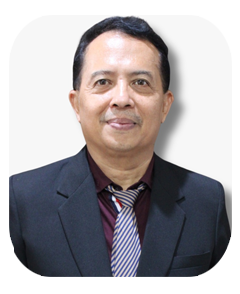
Director of Postgraduate
Prof. Dr.
I Nyoman Suprapta Winaya
Udayana University, Indonesia

Rector of Udayana University
Prof. Dr.
I Ketut Sudarsana
Udayana University, Indonesia

Chair of Organizing Committee
Prof. Dr.
Ahmed J. Obaid
Kufa University, Iraq

(Publicity Committee)
Prof. Dr.
Zdzislaw Polkowski
Jan Wyzykowski University, Poland

(Peer Review Committee)
Prof. Dr.
Valentina Emilia Balas
University of Arad, Romania

(Chair of Scientific Committee)
Prof. Dr.
Emad A. Al-HeetyUniversity of Anbar, Iraq

(Steering Committee)
Associated Prof. Dr.
Muthmainnah
University Al Asyariah, Indonesia
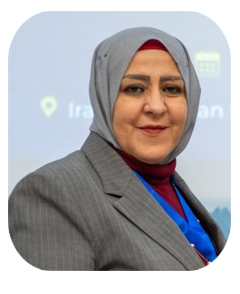
(Scientific Committee)
Associated Prof. Dr.
Wahran Monam Saod
University of Anbar, Republic of Iraq

(Steering Committee)
Prof. Dr.
Ni Luh Suriani
Udayana University, Indonesia
Conference Venue
About Denpasar City (BALI)
Denpasar, the capital of Bali, is the island’s cultural, economic, and administrative center. Located in southern Bali, it blends traditional heritage with modern development. The city is known for landmarks like Bajra Sandhi Monument and Pura Jagatnatha, as well as vibrant markets such as Pasar Badung. With a tropical climate, Denpasar thrives on tourism, trade, and education, housing institutions like Udayana University. Its strategic location near Ngurah Rai International Airport makes it a key gateway to Bali, offering a mix of cultural attractions, business hubs, and urban conveniences.Denpasar plays a central role in preserving Balinese arts, traditions, and religious ceremonies through museums, cultural centers, and festivals. The city supports a diverse population, making it a hub of social and cultural interaction. Denpasar also emphasizes sustainable urban development and public services to support residents and visitors. Its growing digital economy and creative industries further strengthen its position as a modern urban center in Bali.
About Postgraduate Udayana University
At the inception of Universitas Udayana, three faculties were established: the Faculty of Arts (FS), the Faculty of Medicine (FK), and the Faculty of Veterinary Medicine and Animal Husbandry (FKHP). As of 2024, Universitas Udayana comprises 13 faculties: the Faculty of Cultural Studies (previously the Faculty of Arts), the Faculty of Medicine, the Faculty of Law, the Faculty of Animal Husbandry, the Faculty of Engineering, the Faculty of Economics, the Faculty of Agriculture, the Faculty of Mathematics and Natural Sciences (MIPA), the Faculty of Veterinary Medicine, the Faculty of Agricultural Technology, the Faculty of Social and Political Sciences, the Faculty of Tourism, and the Faculty of Marine and Fisheries. The Graduate School at Universitas Udayana was initiated in response to the growing need to enhance human resources, particularly educators, both within and beyond the university. It was established in 1992, beginning with the launch of the Master’s Program in Linguistics, authorized by the Directorate General of Higher Education, Ministry of Education and Culture of the Republic of Indonesia, under Decree Number 431/Dikti/Kep/1992 dated October 6, 1992. This Linguistics program was the precursor to the Graduate School at Universitas Udayana, which was initially chaired by Prof. Dr. I Wayan Bawa. Following the establishment of the Master’s program in Linguistics, the proposal for a Doctoral Program in Linguistics was put forward, making it the first doctoral program at Universitas Udayana. The Doctoral Program in Linguistics was established with Decree Number 300/Dikti/Kep/1998 from the Directorate General of Higher Education. With advancements in education and technology across various fields, Universitas Udayana now offers 28 Master’s programs (S2) and 14 Doctoral programs (S3), nine professional programs, and 22 specialist medical training programs (PPDS). The Doctoral Program is an academic education intended for graduates of Master’s programs or equivalent, aimed at developing and refining students into wise professionals with enhanced abilities and independence as philosophers, intellectuals, and scientists who contribute to advancing human civilization through comprehensive and accurate research (Law No. 12/2012 on Higher Education). The Master’s Program is an academic education designed for graduates of Bachelor’s programs or equivalent, aiming to develop them into cultured intellectuals and scientists who can apply and advance knowledge and/or technology through reasoning and scientific research, enter or create job opportunities, and develop into professionals (Law No. 12/2012 on Higher Education). According to the Ministerial Regulation of Research, Technology, and Higher Education No. 30 of 2016 regarding the Organization and Work Procedure of Universitas Udayana, along with Rector’s Decree No. 592/UN14/PP.03.01/2016 in December 2016, mono-disciplinary Master’s and Doctoral programs are managed administratively within their respective faculties.
About The Conference Agenda
Postgraduate Udayana University Conference Hall


Conference Sustainable Futures
Holding the Conference on Environment and Sustainability Technologies at the postgraduate level at Udayana University, Bali, Indonesia, will have a significant academic, societal, and environmental impact. As Bali faces real and pressing sustainability challenges related to tourism, coastal management, climate change, and urban development, the conference provides a timely platform to connect global research with local and regional needs. Bringing together researchers, practitioners, and policymakers in this setting enables the direct translation of scientific innovations into practical and policy-oriented solutions. The conference will strengthen interdisciplinary collaboration, enhance postgraduate research capacity, and promote knowledge transfer between academia, industry, and government sectors. Additionally, hosting the event at Udayana University enhances its role as a regional hub for sustainability research, while offering participants networking opportunities, international visibility, and meaningful engagement in shaping resilient and sustainable environmental futures. The conference aims to promote the development and implementation of solutions that can lead to a more sustainable and resilient future. Attendees will have opportunity to engage in meaningful discussions, network with industry leaders, and contribute to shaping the future of environmental sustainability.
Conference Activities
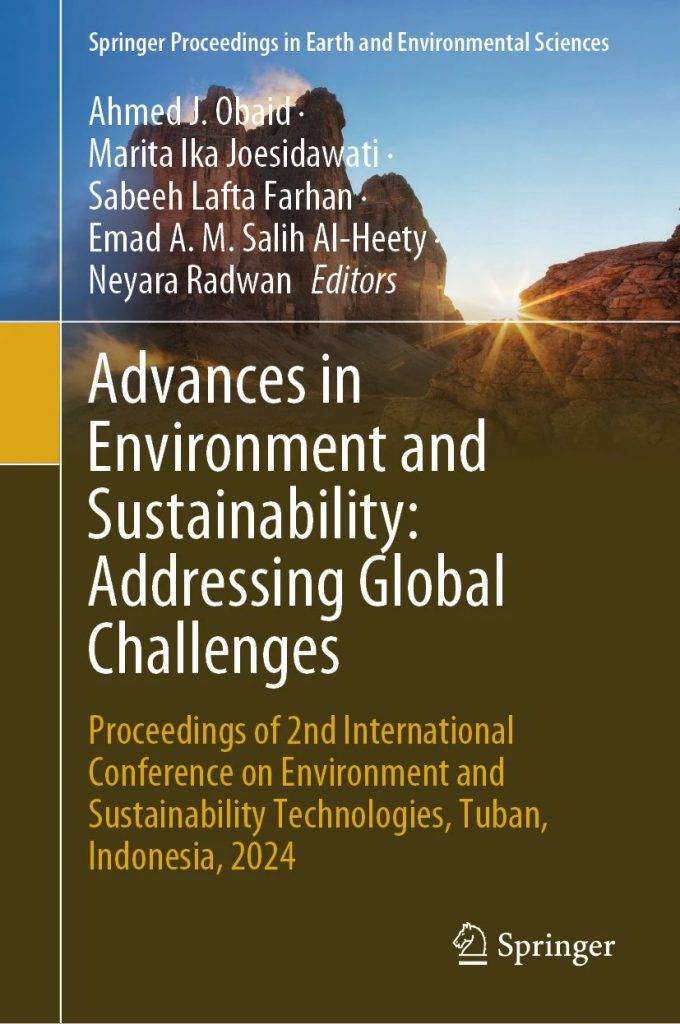
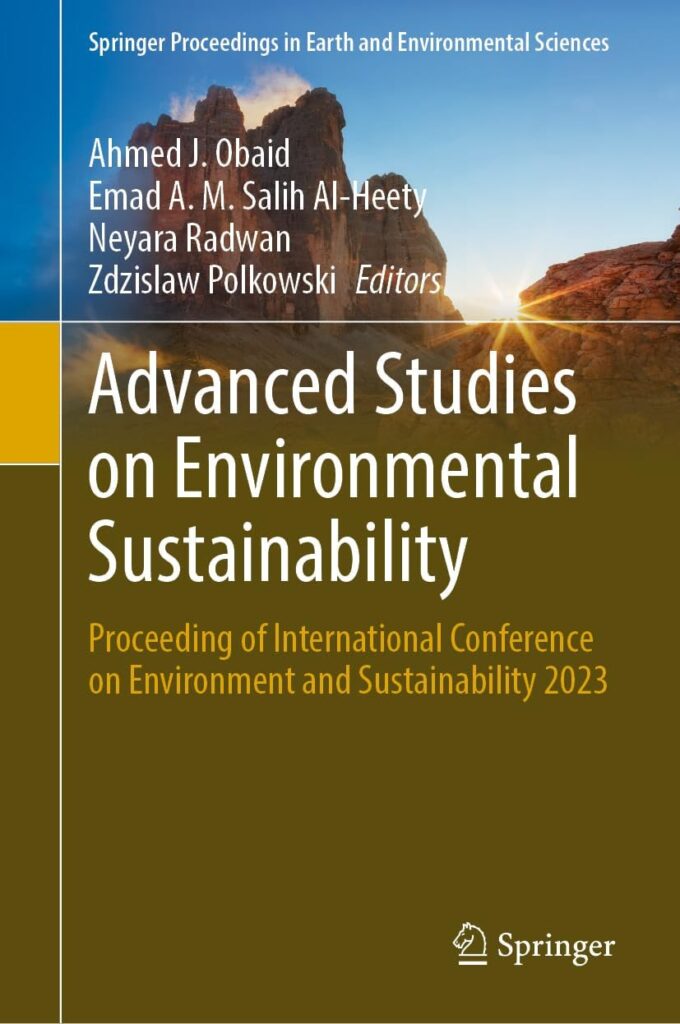
HThe conference has a strong and growing history of international engagement and academic impact. The first edition, held in 2023 in Iraq, successfully brought together researchers, academics, and professionals to address critical issues related to environmental impact, climate change, and sustainability within regional and global contexts. Building on this success, the second edition was hosted in Indonesia, further expanding the conference’s international reach and strengthening cross-border collaboration in environment and sustainability technologies. Across both editions, participants from more than 20 countries actively contributed, reflecting the conference’s global relevance and appeal. The upcoming edition, also to be held in Indonesia, continues this trajectory with a clear focus on tackling climate change challenges and promoting sustainable solutions. The conference aims to provide a high-quality academic venue for presenting, discussing, and highlighting rigorously reviewed research papers aligned with its core themes, topics, and tracks, fostering meaningful dialogue and long-term collaboration among the global sustainability community.

Conference Fee :
| Payment Detail | Indonesian | International |
| General Author* | Rp. 4.200.000,- | USD 350 |
| Student Author* | Rp. 5.200.000,- | USD 300 |
| Participant** | Rp. 300.000,- | USD 50 |
* Selected paper will be Proceed based on selected plans, the fees include the publication and accomodiation through conference dates, and doesn’t include the residence process:
** Include only E-certificate
Payment Terminals :



For Authors
The Microsoft CMT service was used for managing the peer-reviewing process for this conference. This service was provided for free by Microsoft and they bore all expenses, including costs for Azure cloud services as well as for software development and support
Peer Review
Double-blind peer-review, plagiarism screening, reviewer reports, and full paper formatting requirements.
Includes important questions that are used by many publishers to rate the papers that are submitted to them based on our reviewers’ reporting forms and decisions, and the editor decides whether the paper is either accepted, accepted with a minor or major review, or rejected.
Full Paper Submission Guidelines
- Use Times New Roman: 10 pts fonts for the main text and all additional parts except endnotes and index, where you should use 8 pts, and paper headings.
- All text should be single-spaced.
- The paper length should be up to 5000 words, including abstract and references.
- To ensure that there are no extra spaces in the document, use your software’s find and replace command to substitute all double spaces for single spaces. Repeat this procedure until no double spaces are found.
- The referencing system you use should comply with the Harvard reference system style.
Figures, Images, and File Preparation
It is recommended that you use JPEG files for producing grayscale images or photographs with a resolution of 150 dpi. All images, including photographs, must be included in the main Word or other files submitted. Take into account the size of the page when including images (115mm x 180mm). Your image will have to be resized if it is too large or too small, and this can prove problematic in certain cases.
Publication Readiness Note
Since the accepted and presented papers are intended for submission to a publication venue currently Under Approval, authors must ensure that the final manuscript strictly follows the required template, language quality requirements, citation rules, figure quality standards, and publication ethics. Any paper that fails to meet the technical and ethical requirements may be excluded from the publication process.
Submission Guidelines
Originality, publication ethics, plagiarism policy, registration privacy, and peer-review decision categories.
General Submission Requirements
ICEST 2026 will not accept any paper that is under review at the time of submission, is accepted for publication, or has already been published in another conference or a journal. Authors are also expected not to submit their papers elsewhere during the ICEST 2026 reviewing period.
Regular Papers: Each paper must include the abstract, figures, tables, and references.
All submitted articles should report original, previously unpublished research results, experimental or theoretical. Papers submitted to the conference should meet these criteria and must not be under consideration for publication elsewhere.
Plagiarism Policy and Publication Ethics
The ICEST 2026 Conference follows strict anti-plagiarism policies and, as such, checks every submission for plagiarism using Crossref Similarity Check Powered by Turnitin. All articles submitted to the conference first undergo a plagiarism check before being sent to our scientific committee for review. The submission will be automatically rejected at any time if found plagiarized. If you’d like to find out more information about the Turnitin software, click on the following link: https://www.turnitin.com
Articles submitted to the conference should meet these criteria and must not be under consideration for publication elsewhere. We firmly believe that ethical conduct is the most essential virtue of any academic. Hence any act of plagiarism is a totally unacceptable academic misconduct and cannot be tolerated.
Sanctions for Plagiarism or Misconduct
- Reject the submitted article or delete the article from the final publications.
- Report the author’s violation to his/her supervisor(s) and affiliated institution(s).
- Report the author’s violation to the appropriate overseeing office of academic ethics and research funding agency.
- Reserve the right to publish the author’s name(s), the title of the article, the name(s) of the affiliated institution and the details of misconduct, etc. of the plagiarist.
Registration and Privacy Policy
Privacy Policy: In summary, registrant contact information is NOT shared with third parties without your consent. Registrant information is primarily used to verify registration and notify you of similar events held by Conference Ethical Dept in future. We may share your contact information with sponsors but only with your consent upon registering.
Collection of Information: Information You Provide to Us We collect the information you provide directly to us. For example, we collect information when you register for an event, fill out a form or otherwise communicate with us. The types of information we may collect include your email address, mail address and other contact or identifying information in order to register for our events.
Use of Information: We use information about you for various purposes, including to support conference registration, communication, verification, and official conference-related notifications.
Important Note
- At least one of the authors listed on the accepted paper must pay the registration by the requested registration deadline.
- The student price is only applicable to the First author who is a student currently.
- For those listeners, who do not need to submit a paper or an abstract to the conference, we advise you to follow the registration form and finish registration. Easy and quick!
Registration Fee Includes
- 15 minutes Oral presentation / Poster Presentation for every author and presenter.
- Conference proceeding for participants who registered with paper.
- Conference program for all participants.
- Certificate of participation for all participants.
- Lunch, coffee breaks for all participants.
- All sessions are available to all participants.
The editorial board based on the recommendation of the reviewers, including Publishable without revision, Publishable after minor revision, Publishable only after correcting as recommended, Major Revision, and Reject, decides whether the manuscript should be revised or rejected. Once rejected, there has not been any changed for resubmission.
Submission Rules
Mandatory originality rules, ethical sanctions, and full submission-to-publication workflow.
Important Notes Before Submission
Articles submitted to the conference should meet these criteria and must not be under consideration for publication elsewhere. We firmly believe that ethical conduct is the most essential virtue of any academic. Hence any act of plagiarism is a totally unacceptable academic misconduct and cannot be tolerated.
Sanctions for Plagiarism
- Reject the submitted article or delete the article from the final publications.
- Report the author’s violation to his/her supervisor(s) and affiliated institution(s).
- Report the author’s violation to the appropriate overseeing office of academic ethics and research funding agency.
- Reserve the right to publish the author’s name(s), the title of the article, the name(s) of the affiliated institution and the details of misconduct, etc. of the plagiarist.
Submission Process
Registration
Registration fees, payment requirements, author obligations, and attendance conditions.
Registration Fees
| Category | National | International |
|---|---|---|
| Student (PG/Ph.D.) | USD 250 | USD 300 |
| Faculty / Industry | USD 350 | USD 400 |
| Attendee (Without Paper) | USD 50 | USD 100 |
| Participants without publication | USD 50 | USD 50 |
Registration Detail on ICEST 2026
- The registration fee is per paper, including 18% GST. At least one author should register.
- The registration doesn’t include the charges for food and accommodation.
- Authors should check their correct category before fee payment, as once the fee is deposited, it will not be refunded under any circumstances.
- After the conference, payment receipts will be issued after verification from the account section.
- Authors are requested to keep a record of the transaction as proof during registration.
- Candidates are advised to visit our conference website regularly for updates.
- All paper presenters and conference attendees require pre-registration.
- Only registered participants are allowed to attend the conference.
- At least one author of each accepted paper must register within a week of acceptance to present the paper at the conference.
- The organizing committee will not be responsible for any loss of money due to incorrect transactions or bank errors.
Proofreading and Editing
Language improvement, technical formatting, referencing, and publication-readiness support.
Proofreading and Editing
- To ensure the papers are error-free and impactful, with flawless language and formatting, the papers recommended for proofreading should pay separate fees for this service depending on the number of words in the paper.
- Proofreading ensures that your paper has no grammar, punctuation, spelling, typography, and usage errors.
- The formatting and referencing should adhere perfectly to the chosen style and guidelines.
- Editing ensures that word choice, syntax, and flow are refined, making the writing clear, cohesive, and impactful.
Your Paper Will Go Through the Following Rounds
Correcting English language errors in grammar, punctuation, spelling, and typography.
Improving style, clarity, sentence structure, and coherence.
Providing detailed feedback and suggestions for improvement.
Ensuring font, size, margins, spacing, titles, tables, and other attributes meet required guidelines.
Formatting the edited and proofread paper according to the required conference template.
Formatting and fixing references according to the prescribed style.
Notes
- Only papers recommended for proofreading will be sent to Paper True by the conference editors.
- Proofreading and other service fees will be paid by authors based on the total number of words.
- Proofreading and editing fees are separate from conference registration fees.
Cancellation Policy
- There is no refund policy.
- No refunds can be provided on the registration fee upon cancellation.
- The registration fees cannot be refunded under any circumstances for accepted papers.
Downloads & Template Section
Conference template, plagiarism requirements, AI writing restrictions, template files, and camera-ready preparation rules.
Manuscript and Publication Requirements
- Plagiarism should be less than 10% excluding references. Keep the plagiarism report along with the manuscript using Turnitin.
- Use of AI-generated writing or ChatGPT is strictly prohibited.
- Grammatical errors must not be present. Language clarity is expected.
- Any kind of dispute may lead to direct rejection.
- No figure and no table should be copied from any other paper or the Internet.
- The quality of the figures should be high resolution.
- Page limit: Minimum 08 pages and maximum 09 pages after compliance with conference format.
- Each paper must contain an abstract of 150–200 words and 4–5 keywords.
- Writing format: Conference template format strictly.
- All table numbers and figure numbers should be mentioned in the manuscript.
- All references and citations must be appropriately cited inside the manuscript.
- Make sure that all references are cited in the body of the paper.
- Make sure that all figures and tables are numbered properly and cited in the body of the paper.
- No table should be submitted in image format.
- All mathematical equations must be prepared using Math Editor; no equation-image should be included.
- Maintain good quality HD figures.
Conference Publication (Under Approval)
Publication pathway under approval, plagiarism screening, EasyChair review process, and publication compliance.
Submission Instructions
The ICEST 2026 Conference follows strict anti-plagiarism policies and checks every submission for plagiarism using Crossref Similarity Check Powered by Turnitin.
All articles submitted to the conference first undergo a plagiarism check before being sent to our scientific committee for review and allowing valid papers to be submitted via EasyChair for the reviewing process.
Once valid papers are sent for reviewing and receive acceptance by our reviewers committee, those papers will be checked for English quality and publication guidelines, and all rules should be considered by authors.
ICEST 2026 is looking to check papers first before allowing authors to upload their papers on EasyChair, as we have only a limited number of papers we are looking to accept and select high quality papers.
Presented and accepted papers will be considered for publication in a proceeding or publication venue currently Under Approval. Final publication details will be announced after official confirmation.
Publication Notes
- Only accepted and presented papers that comply with publication requirements will be considered for inclusion in the proceedings.
- Final inclusion is subject to technical checks, ethical screening, formatting compliance, and editorial approval.
- Authors are responsible for ensuring originality, proper citation, high-quality English, clear figures, and correct formatting.
- Failure to comply with publication requirements may result in exclusion from the publication process.
Apply for e-Visa Indonesia
Official online visa application guidance for international participants attending ICEST 2026 in Bali, Indonesia.
Official Indonesia e-Visa Portal
The Indonesian Directorate General of Immigration provides an official online visa system that allows eligible travelers to submit visa applications electronically before traveling to Indonesia.
Apply for Indonesia e-VisaSuggested Application Process
Common Supporting Documents
- Valid passport with sufficient validity.
- Recent passport-size photograph.
- Travel itinerary and accommodation information, if required.
- Conference invitation letter or paper acceptance letter, if requested.
- Additional documents depending on visa category and nationality.
Participants are responsible for verifying visa eligibility, required documents, processing times, and immigration regulations through the official Indonesian Immigration website before making travel arrangements.
Direction to University Venue
Venue direction and map link for Udayana University, Denpasar, Bali.
Udayana University, Denpasar, Bali, Indonesia
Google Maps Location
Coordinates: -8.672112, 115.219003
Map Link: https://maps.app.goo.gl/zvXZrJmero6BqhAy8
Open Venue Location on Google MapsTravel Guidance for Participants
- Participants are advised to check the final venue building or hall name before traveling.
- Please use the Google Maps link above for navigation.
- International participants arriving at I Gusti Ngurah Rai International Airport may use official taxis, ride-hailing services, or hotel transfer services.
- Participants should allow additional travel time due to traffic conditions.
Udayana University has more than one campus location in Bali. Authors and participants should confirm the exact campus, building, and hall with the organizing committee before booking transport or accommodation.
Payment Information
Payment guidance for accepted papers, registration confirmation, and receipt processing.
Payment Policy
- At least one author of each accepted paper must complete the registration payment within the stated deadline.
- The payment deadline and required registration category will be communicated to authors after acceptance.
- Authors must keep the transaction receipt or bank transfer proof and submit it through the official registration channel.
- The organizing committee will not be responsible for incorrect transfers, bank errors, incomplete payment details, or delayed transactions.
- Registration fees are non-refundable under the conference cancellation and refund policy.
Local Bank Account
Local bank account details will be provided to accepted authors after the official acceptance notification. Authors must use the payment reference or paper ID provided by the conference when making the transfer.
International Bank Account
International bank account details, including beneficiary name, bank name, account number, SWIFT/BIC code, and transfer instructions, will be shared with authors once their paper is accepted. Authors are responsible for any bank transfer charges or intermediary bank fees.
Please do not transfer any registration or publication fees before receiving the official acceptance notification and verified payment instructions from the conference committee. Payment details must be obtained only through official conference communication channels.